
Pulling your own oars
Writing a blurb for your own poetry

Clare here. On Thursday, I finally submitted the manuscript for my fifth collection, I Saw What I Know. For the past six weeks, I’ve needed to write a blurb for it - the short summary which appears on the back cover. Instead of writing it, I wrote an article about blurb writing. In the process of finishing said article, I began researching the process of caring for cat litter trays. ADHD procrastination and paralysis is REAL.
The thing is, I don’t have a cat. So I invite you to celebrate with me the miraculous fact of having writing not just this article, but also my fifth collection.
Without further ado, here is
Getting Drunk on Your Own Wine - writing your own blurb.
Some of the things I used to believe about being a poet:
1. I would get rich (a understandable assumption given that most of the poets I met seemed wealthy).
2. I would get famous, and have articles written about me in the Guardian and Times Literary Supplement.
3. I would win many awards.
4. I would eat canapès at festivals and book launches. They would be delicious.
5. I would exchange many handwritten letters with my editor, who would offer me fatherly advice.
6. My publisher would write a glowing blurb for the back of my book.
I also believed that eventually I would be invited onto Desert Island Discs. 20 years in, I am still waiting for the call. As for the other assumptions: I’ve won one award, and had a review in the TLS in 2012. I don’t like crowded rooms, and I’d rather have crisps than tiny damp things with fish on them. I make a decent living, mainly from teaching. My editor is very busy and uses emails. He also let poets make their own editorial choices, for which, on the whole, I’m grateful. And, like many poets – a practice which depends on your publisher - I am required to write my own blurbs.
What is a blurb?
It’s important to recognise there two kinds of blurb. The first is “the laborious but necessary process wherein writers must go begging each other for nice words for the back of their book” (Rebecca Makkai). Any relatively successful writer will be asked to write blurbs: it’s very flattering , very tiring, and quite rightly, very unpaid. Writing a blurb which makes people want to read a book is a big responsibility, and it’s hard work. I read the collection in question closely, several times. I make copious notes – emotional responses, observations, questions. Then I summarise several pages of notes into 100 words which describe the book, my response to it, and why the reader should buy it.
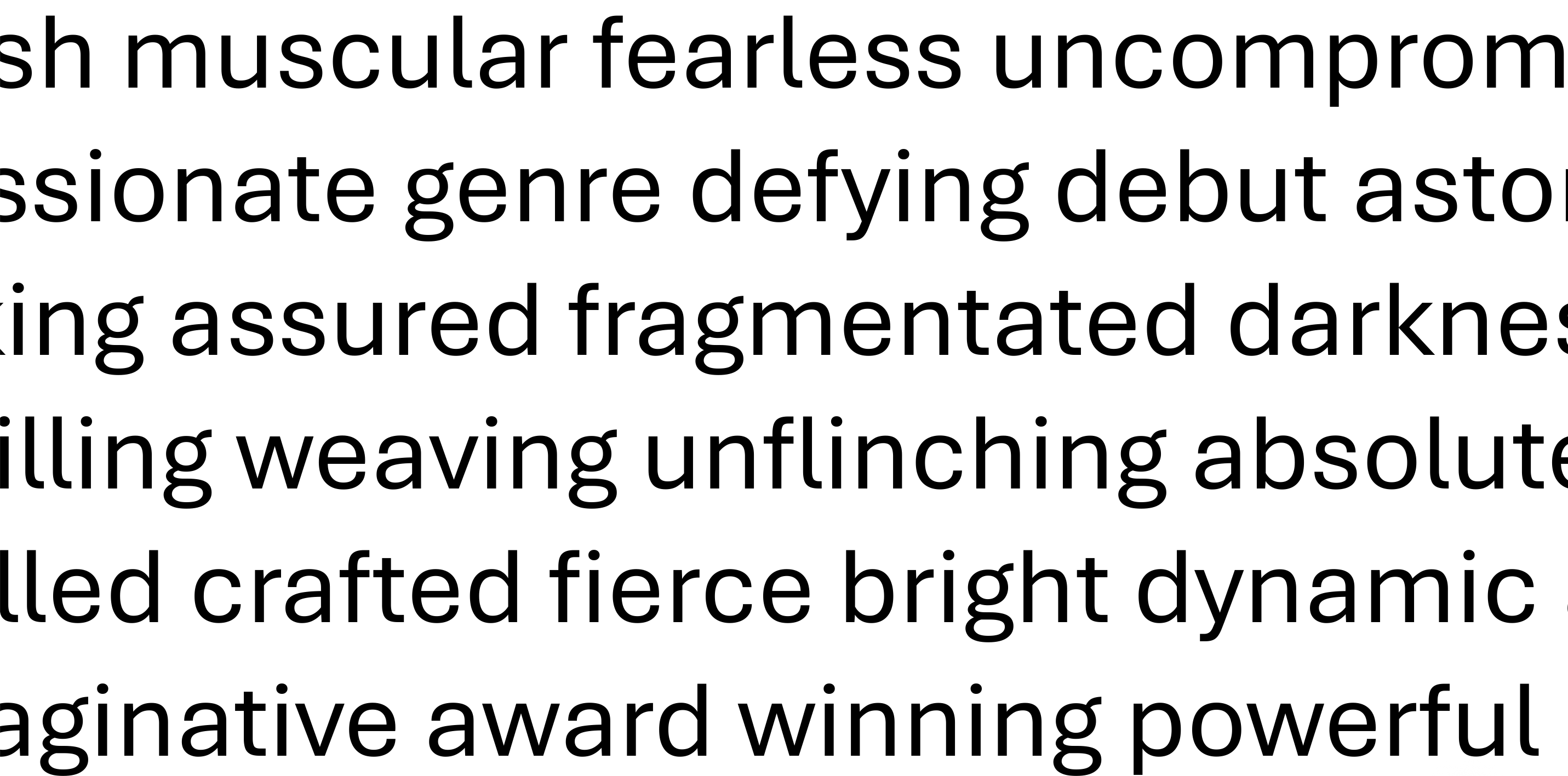
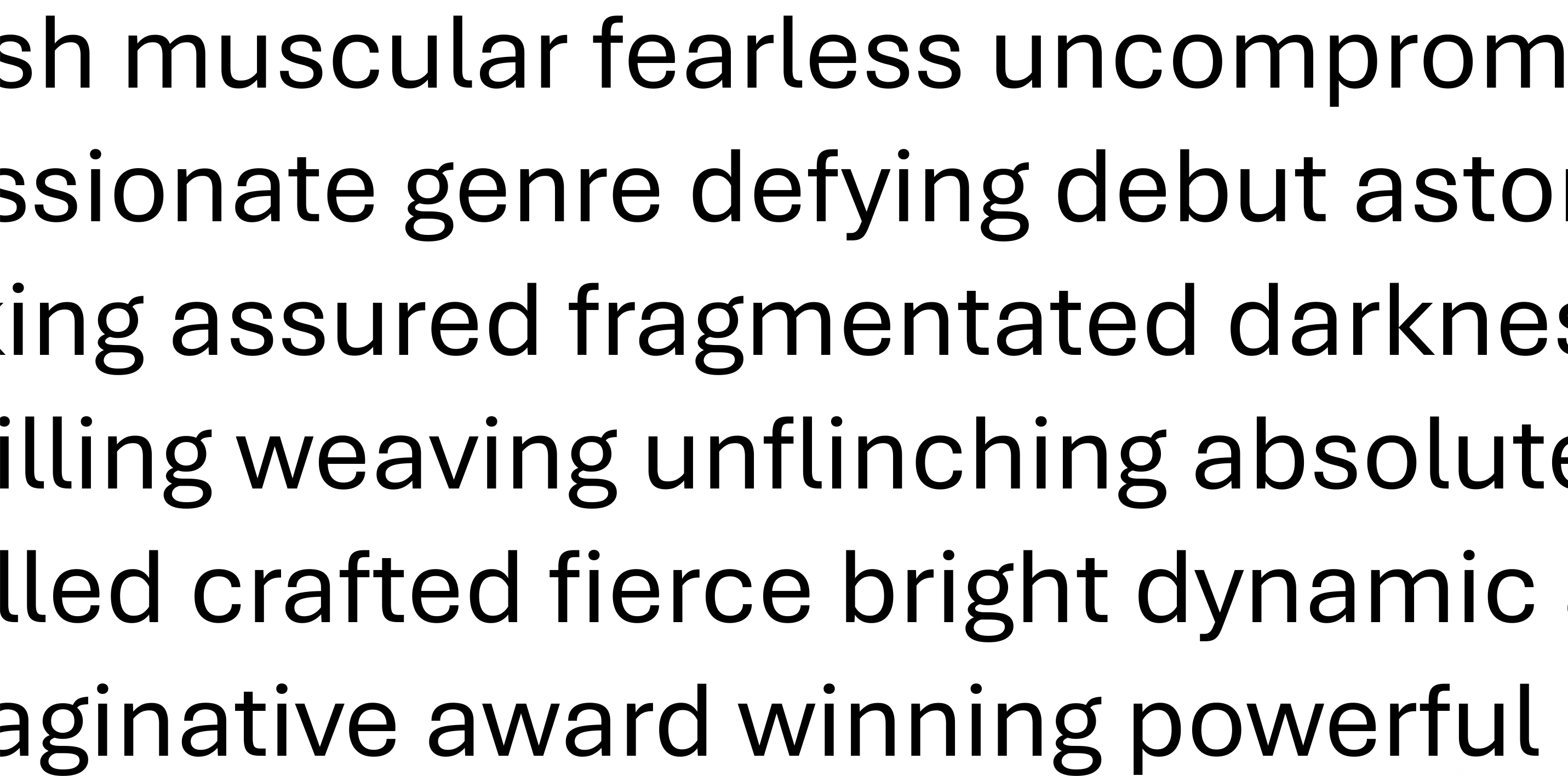
Blurbs matter: they affect how the book is sold, read, reviewed. And they are not necessarily well-written. There’s a tendency to communicate in a sort of blurb language: the book may well be “luminous”, “authentic” and “profoundly important”, it may well skilfully weave a heartbreaking narrative - but overuse of these terms has blunted their impact. No wonder that TS Eliot noted “what a difficult art blurb-writing is”. Yes, it is an art. Eileen Myles devotes a section of her website to collected blurbs – read these for a lesson in concise, creative originality. For example:
Reading this portrait of a body is like being whispered to all night (by someone you love) while looking at a wonderful procession of images shot fleetingly against a darkened wall. She speaks to the aloneness and the togetherness at once. It’s ardently alive.
(Portrait of a Body by Julie Delporte, trans. Helge Dascher and Karen Houle)
The Public Gardens is a brilliant, wonderful book, a sort of a wild institution, intense and readable. Linda Norton looks at the world like a dog who likes to tear apart couches—repressed but not for long. Though full of shame, this book is shameless.
(Linda Norton’s The Public Gardens: Poems and History)
According to A Field Guide to North American Blurbs written by Jake Adam York in 2012, Myles’ blurbs might be described as “drunk on the wine within”; a category of blurb in which the reviewer is so impressed by a book they adopt its language. He names 5 other tongue-in-cheek categories, including the Lavish blurb, which is full of hyperbole and superlative; Maps & Legends, in which the reviewer holds the key in the form of their own conspicuously displayed knowledge; and Tag Team - Inheritance, in which an elder poet authorises a younger poet who is informed by their legacy. In Breviaries, a highly acclaimed poet only requires a plain, one-sentence blurb; whereas Phantom blurbs may indicate “A poet whose song is widely reputed may be so reputed by no blurb at all” – the message presumably being that if you need to be told what this book is about, then maybe you don’t deserve to read it.
The second type of blurb is quite different. This is the uncredited description you’ll find on the back of the book, describing the book’s main concerns, its personality, topics and themes. It is more objective and factual than the first sort of blurb; and crucially, it is uncredited. These blurbs are sometimes written by publishers, but in the world of poetry, the poet can be responsible for providing the blurb: either by writing it themselves, or asking someone else to undertake the task.
This is the blurb on my first collection, Straight Head, which was published by Bloodaxe way back in 2006. It’s certainly not a masterclass in blurb writing, but it did the trick. If you think that writing a blurb for someone else is hard, try writing your own.
Seriously, try it. There’s a lot to be gained from it. Not only in practicing your skills for concise, original writing – but also, developing a deeper understanding of your own work. If you can’t explain concisely what you’ve written; if you can’t describe what someone may gain from reading it – maybe you don’t know your work enough; maybe you don’t love or believe in it enough. And maybe you can change that.
You don’t have to have written a pamphlet or book. If you’re not working towards publication, or you’re years away from a completed collection, it doesn’t matter. Just pull together a bunch of your writing; say 10-50 poems.
Read them; make notes. Identify your primary concerns, the recurrent topics and themes. State – at least to yourself – what your strengths are, how a kind and interested reader might describe your voice. Consider what that reader may take away from the experience of your work.
Writing about your own work will give you a stronger appreciation of your own voice; an understanding of your techniques, your intention, your focus. The river of poetry has its own currents. It will - and should - always take you in unexpected directions - but at the same time, you have oars, you can build your own craft, you can follow a chart. You get to decide what you are writing about, and how, and why. A blurb is a great way to dip into the process.
Let yourself be lavish. Get drunk on your own wine.
In my next article, I’ll finally get around to writing my blurb – and I’ll provide you with a check list for finalising your own.
In the meantime – paid subscribers, don’t forget tonight’s Open Mic – you have your link and instructions in your substack inboxes. Anyone who wants to join us, you can subscribe for one month from just £4. On Wednesday 25th at 6pm, join me and the extraordinary poet and performer Hannah Hull/ burning salt for “The Haunted House of the Poem” - using art and poetry to explore how we are all haunted. And on Sunday 28th March at 10am, you have another chance to join me for Animal Sanctuary - fundraising for animal rescue whilst considering how animals rescue us.
I’m both an author and commissioning/developmental editor. There were about five years in the nineties when every blurb we solicited (this was back when it was unthinkable to ask an author to secure their own blurbs) read “Compulsively readable.” It always made me scream, and not from pleasure.
This is useful to me as a serial-blurber (of others). Myles' are top notch! & I love how you approach it too.